
Media & News
Updates From the Ground Up
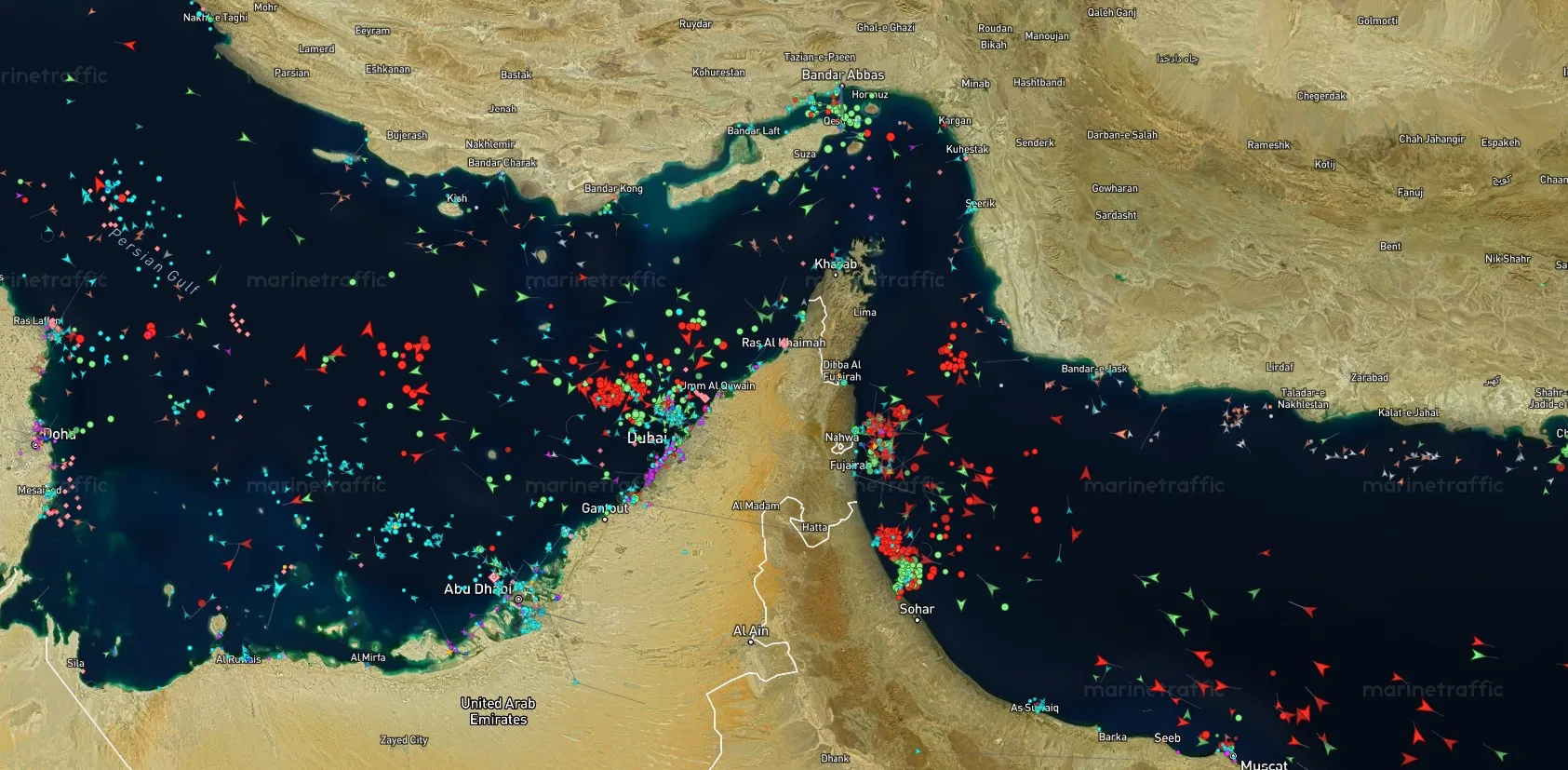
Strait of Hormuz Reopening: Diplomatic Breakthrough vs. Operational Reality
While recent diplomatic announcements regarding a framework agreement to reopen the Strait of Hormuz have driven down crude oil prices, the physical operational reality on the water remains severely constrained. Skyline Freight & Logistics looks at the core security, insurance, and backlog challenges keeping ocean freight rates elevated.
The Reopening Timeline vs. Immediate Reality
The recent framework agreement to reopen the Strait of Hormuz is a positive political sign, but the physical reality on the water cannot change overnight. Before commercial vessel traffic can safely resume normal routing, maritime authorities must handle complex safety protocols and clear massive backlogs.
For logistics managers operating out of hubs like Dubai, this means immediate relief on slot availability is highly unlikely. Shipping schedules will face ongoing disruptions, and supply chain strategies must maintain extended transit buffers for the near future.
The True Cost Factors: War Risk Insurance and Carrier Surcharges
The main reason ocean freight rates stay high isn’t just physical access to the strait; it is insurance risk. Until maritime underwriters officially lower their risk designations, commercial ships will still face steep war risk insurance premiums.
Global shipping lines will not drop their active transit surcharges based on headlines alone. Carriers require sustained, verified stability before lowering prices. Because of this, cargo owners should expect emergency surcharges to remain active during this transition window.
| Current Constraints | Triggers for Relief |
| Active War Risk Premiums: Underwriter networks maintain high-risk designations; ships entering the corridor still face steep insurance penalties | Official Underwriter Retraction: Insurance boards must formally lower the risk rating of the zone before premium costs can drop |
| Active Emergency Surcharges: Global ocean alliances continue to apply active transit surcharges to cover ongoing operational risk | Sustained, Verified Stability: Carriers require weeks of uninterrupted, safe transits on the water before adjusting baseline pricing structures |
| Physical Fleet Disruption: Hundreds of vessels are still backlogged or locked into lengthy Cape of Good Hope diversions | Successful Fleet Re-routing: Vessel capacity must physically shift back to standard corridors and clear the queue before slot availability normalizes |
Strategic Recommendations for Procurement and Supply Chain Logistics
- Prioritize Resilience Over Cost: Continue factoring extended transit windows and emergency surcharges into baseline procurement budgets rather than planning for immediate rate relief.
- Deploy Multimodal Solutions: Utilize diversified sea-air routing combinations and / or Landbridge options to actively bypass remaining maritime backlogs when delivery timelines are critical.
- Maintain Flexible Buffer Stock: Keep safety stock thresholds elevated until active vessel queues outside the strait drop significantly and capacity normalizes.
Speak to Our
Global Logistics Experts
Whether you are managing complex maritime routings, navigating unexpected corridor bottlenecks, or restructuring your seasonal procurement strategies, our specialist project cargo and ocean freight teams are here to help.
From securing critical slot allocations and arranging multimodal sea-air diversions, to handling specialized customs clearance, we provide tailored, resilient supply chain solutions designed to protect your commercial operations.
Contact our logistics consultants today to review your current transit windows and discover how Skyline can maintain the seamless movement of your cargo throughout this volatile transition period.